


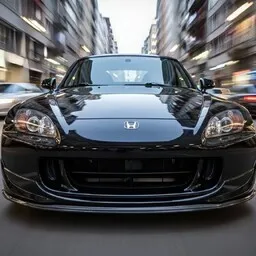
Schade nur das es den S in Project Cars nicht gibt. Auf dem PC ist das Game ne Augenweide  .
.
Beiträge von MUGEN_S2K
-
-
Der Sensor sitzt horizontal montiert neben der Hupe. Kann es vllt. sein das du den Ölkühler vor den Sensor montiert hast ;)?
-
Danke für den Bericht

Hoffe du machst auch einen weiteren mit höherer Laufleistung.Wie ist das mit der Bestellung, kann ich jetzt so ein Set bestellen und sagen wir mal in 3 Monaten einschicken oder gibt es da ein limitierten Zeitraum?
-
Zitat
Original von Freestyler
Morgen geht die Probe in die Post. Mal schauen was bei rauskommt.
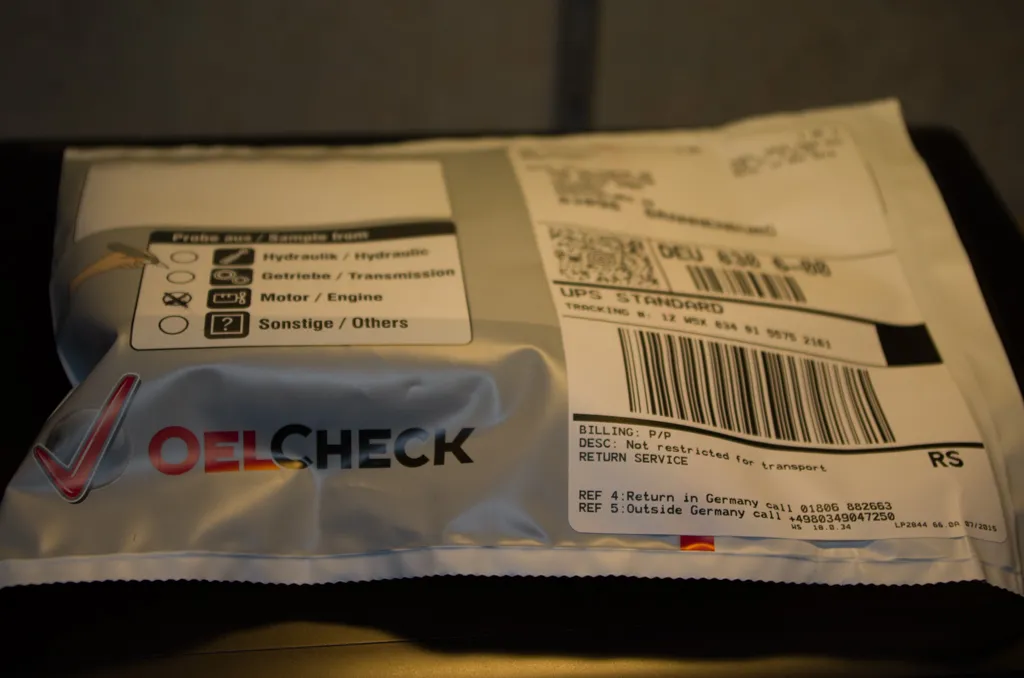
Bei dem Öl handelt es sich um das Liqui Moly Synthoil High Tech 5W40. Ich hatte es für ca. 650 km bei dem letzten Trackday in Zolder drin. Es ist einen Tag vorher frisch reingekommen und hat die 400 km An- und Abreise + ca. 150 km Rennstrecke mitgemacht. Bin gespannt was die Fachleute dazu sagen.
Eröffne dann aber einen neuen Thread wo vllt dann auch andere ihre Ergebnisse reinstellen
-
Zitat
Original von marcosleandros
Motul oder? Is doch eigentlich für motorräder?
Dann probier ich dasNicht das du jetzt Motorrad-Öl reinkippst

Das Öl ist fürs Motorrad:
[Blockierte Grafik: http://www.hein-gericke.be/media/catalog/product/cache/7/image/9df78eab33525d08d6e5fb8d27136e95/3/2/32101210040-motul-300v-10w40-4t-4l.jpg]Die 300V Öle für PKW haben so eine Verpackung:
[Blockierte Grafik: http://www.turnermotorsport.com/image/fluids/motul_300V_5w40_power_sae_5w-40_synthetic_engine_oil_2_liter_1.jpg]ZitatOriginal von Moonwalker
Servus zusammen,wer fährt denn jetzt wirklich aktuell mit 300V?
/M.
Ich fahre aktuell das 300V Power 5W40.
-
Mal ein kleiner Zwischenbericht zum Tunap Premium 151.
Hab das Verdeck jetzt seit Anfang Juni damit gereinigt und imprägniert (2-Schichten :]) und bin absolut begeistert von dem Zeug. Der wohl größte Unterschied zu den anderen Verdeckpflege Mitteln die ich bis jetzt benutzt habe (Ragg Top & Meguiars ), ist der Imprägnierer.
Der Abperl-Effekt hält nach mehreren Waschungen immer noch wie am ersten Tag was ich von den bisherigen Mitteln nicht behaupten kann. Glaube damit reicht eine Behandlung vollkommen für eine Saison oder gar mehr, mal abwarten.Das Verdeckt ist porentief sauber, nichts wirkt fettig, schöner schwarz matter Glanz. Für mich das bis jetzt beste Produkt.
Von daher kann ich Uncle nur Recht geben -
Zitat
Original von etrate
Hier der fährt eins:https://www.youtube.com/watch?v=n1CBVBG_49w
Traumhaft das geballere.
Und hier in Aktion:
Mugen!

Schade das der Typ nicht im Forum angemeldet ist, oder doch? -
Zitat
Original von Moonwalker
In jedem Fall ist das 8100 eines der wenigen vollsynthetischen Öle das auch eine A40 Zulassung hat.
/M.
Ohne zu googlen, ist doch die Porsche Freigabe, oder?
-
Zitat
Original von Moonwalker
Um ein Ester-Öl wie beim 300V handelt es sich hier aber nicht, richtig?
/M.
Das 300V ist auch kein 100% Ester-Öl. Motul selbst hat das nie behauptet sondern spricht von einer Double Easter Technologie oder Easter Core. Was das genau dahinter steckt wird nur Motul selbst wissen.
Der Unterschied zwischen dem 8100 und der 300V Serie, was Ester betrifft, liegt wohl hauptsächlich am Ester Anteil der Öle. In den bekannten Öl Foren vermutet man beim 300V einen ca 90% Anteil an Ester und der Rest ist ein PAO Gruppe 4 basierendes vollsynthetisches Öl.
Beim 8100 ist der Ester geringer und der PAO Anteil höher. Genau Zahlen hierzu gibt es offiziell aber nicht. -
-
Falls es einige beruhigt
was das 300V Öl betrifft..
Meiner hat fast 65 tsd km auf der Uhr und nach der Werksfüllung bin ich 1 Saison mit dem Motul 8100 X-Cess 5w40 gefahren danach das Mobil1 Rally Formula 5w50 (1/2 Saison) und dann nur die Motul Öle aus der 300V Reihe (von 5w30, 5w40, bis 10w40).Motor schnurrt wien Kätzchen
und ich sehe keinen Grund ein anders Öl zu fahren. -
Absolut, egal ob altes oder neues Modell. Einzig bei Intakes wo über den Kühler gehen wie J*s, Mugen usw. wird das ziemlich knapp. Das J*s z. B. passte mit dem großen Kühler gerade so und das war mm Arbeit sowohl am Kühler als auch mit der Motorhaube (damit ist nicht der hood cut gemeint). Das Mugen passte nur mit dem kleineren Kühler.
Mit schmaleren Kühlern passt es in jeder Kombination.
-
Einfach mal ausmessen wieviel Platz vom Kühler zu intake ist
-
Zitat
Original von OKATAKA
Welche Lüfter hast du verwendet OEM oder gibt es auch andere Lüfter wie bei Mishimoto.
http://www.evasivemotorsports.com/mm5/merchant.m…de=S2000-ENGINE
Ich habe die OEM Lüfter wieder verwendet. Mir ist nicht bekannt das Koyo ebenfalls so ein Kit anbietet.
Wer unbedingt leichtere braucht kann zu SPAL Lüftern greifen was allerdings nicht plug'n play ist. Das Fan Shroud Kit von Mishimoto hatte ich schon mal in der Hand gehabt und ehrlich gesagt konnte ich gewichtsmäßig keinen Unterschied zu OEM feststellen zumindest keinen merklichen Kann aber gut sein das die Lüfter höher drehen als die OEM. -
Auch von mir Euch beiden alles Gute
Ich finde mit der Wolle auf em Kopf sah er Einstein sehr ähnlich -
Zitat
Original von Moonwalker
Here we go... (kein S2000):Hmmm da kann man jetzt nicht den cSt Wert rauslesen bzw. ist nicht angegeben. Daran kann man sehen ob das Öl an Viskosität abgebaut hat.
Hier ein Link zum Mobil1 5W50 in einem Cayman S wo nach ca. 3600 km auf ein 5W40 degradierte
Von anfangs 17.28 cSt auf 14.43 cSt.Hier noch die Tabelle als Übersicht
[Blockierte Grafik: http://www.onedirt.com/files/2012/12/OILCHART.jpg] -
Zitat
Original von Los Eblos
Da gibt es gute Fakten zum 300V? Ich bin da bislang nicht dran gegangen, weil mir das irgendwie zu windig war.Es gibt eben die Analysen von Laboren wie Blackstone auf BITOG oder einfach mal über Google im S2ki suchen.
-
Zitat
Original von Moonwalker
Die Ester Öle wie das 300V halten auch nicht länger. Auf Nachfrage teilte mir Motul mit das die Brühe nach 10.000km raus sollte. Grund ist hier wohl eher dass diese Öle wesentlich geringer basisch gepuffert sind.
/M.
Hast du davon noch die links der Analysen? Die wo ich bis jetzt vom 300V gesehen habe waren alle nach ca 4600 Meilen mit zum Teil viel Rennstrecke und das Öl hielt den Belastungen stand, egal ob 5W30, 5W40 oder 10W40. Anhand der Analyse wurde sogar empfohlen das Öl bis 6000 Meilen drin zu lassen und dann nochmals zu untersuchen. Daher glaub ich das nicht so recht mit den 5 tsd km aber mit dem Wechsel bei spätestens 10 tsd km bin ich deiner Meinung.
-
Tausche schwarze unbenutzte, original verpackte LHD Premium Fußmatten gegen selbige nur in rot. Es handelt sich um das 4-teilige Fußmatten Set!
Wer was hat bitte melden. -
Zitat
Original von UncleHo
und genau ab dem Augenblick fahr ich ein Grundöl Klasse 3 mit HC Eigenschafften ( Körnungsgrad 400 ) und nicht ein Basisöl Klasse 4 ( sagen wir Körnungsgrad 2000 ) mit besseren Eigenschaften...
ChrisNetter Vergleich aber das Klasse 3 Grundöl hattest du auch vor der thermischen Schädigung. Da die Eigenschaften eines Klasse 4 Öles ja nur durch das Additivpaket erreicht werden. Zumindest verstehe ich das so
